Amazon Added 10,000 Rivian Electric Vans In Just Six Months
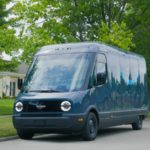
Amazon now has over 40,000 custom-made Rivian electric delivery vans in its fleet, the EV startup said in its second-quarter earnings report.
That’s a 33% increase compared to the end of 2025, when the California EV startup had delivered over 30,000 battery-powered parcel vans to the American e-commerce giant.
As a reminder, Amazon and Rivian struck a deal in 2019 to put 100,000 electric delivery vans on the road by 2030, with the first custom-made Rivian commercial EVs hitting the road in the summer of 2022. The lovable van, which was originally known as the Electric Delivery Van (EDV), was developed specifically for Amazon.

What Are You Going to Do If the Gas Runs Out?
The steady flow of gasoline that U.S. drivers have experienced for several decades may soon slow to a trickle as war continues to rage in the Middle East.
Experts have started dropping hints that American gasoline stations will see reductions in supply, potentially easing into a fuel shortage crisis this fall.
When the gasoline you can find is much higher priced than it is today, will you still be buying it? Is there anything you can do in the meantime to reduce your demand on oil, or changes to your lifestyle? Maybe your boss will cut you some slack and allow you to work from home again, like it's 2020 all over again.
Driver Death Rates Remain High for Small Cars, Models with Powerful Engines
More than half of the model 2023 vehicles with the highest driver death rates are small cars, sports cars or muscle cars, a new report from the Insurance Institute for Highway Safety shows.
Across all makes and models, the average driver death rate was 37 drivers per million registration years. The average other-driver death rate was 53. The other-driver death rate was most likely higher than the driver death rate because many of the crash partner vehicles were of older vintage and offered occupants less protection.
Driver death rates are a useful companion to the Institute’s safety ratings, as they capture different aspects of risk.
Distracted Driving Enforcement Is Expanding. The Cost to Fleets Goes Far Beyond the Ticket.
By Alex Guirguis, Co-Founder & CEO of Off The Record
Most fleet managers don’t lose sleep over traffic tickets. In many ways, it’s just part of running a fleet. What they do lose sleep over is insurance costs, driver retention, and the operational disruptions.
Many fleets have sophisticated programs for managing accidents, safety scores, and compliance requirements, but traffic citations often receive far less attention. That can be a costly mistake.
The fleets that manage these situations most effectively tend to have clear reporting procedures, encourage drivers to address citations immediately, and evaluate them before a guilty plea is entered.
Why Fleet Maintenance Costs Keep Rising – And What the Data Reveals
Fleet maintenance costs are increasing. But the biggest problem may not be your maintenance program. It's your visibility.
Kooner Fleet Management Solutions surveyed fleet professionals to better understand what's driving maintenance costs and where fleets have the greatest opportunity to improve.
The findings reveal a significant visibility gap between the data fleets collect and the insights needed to make smarter maintenance decisions.